
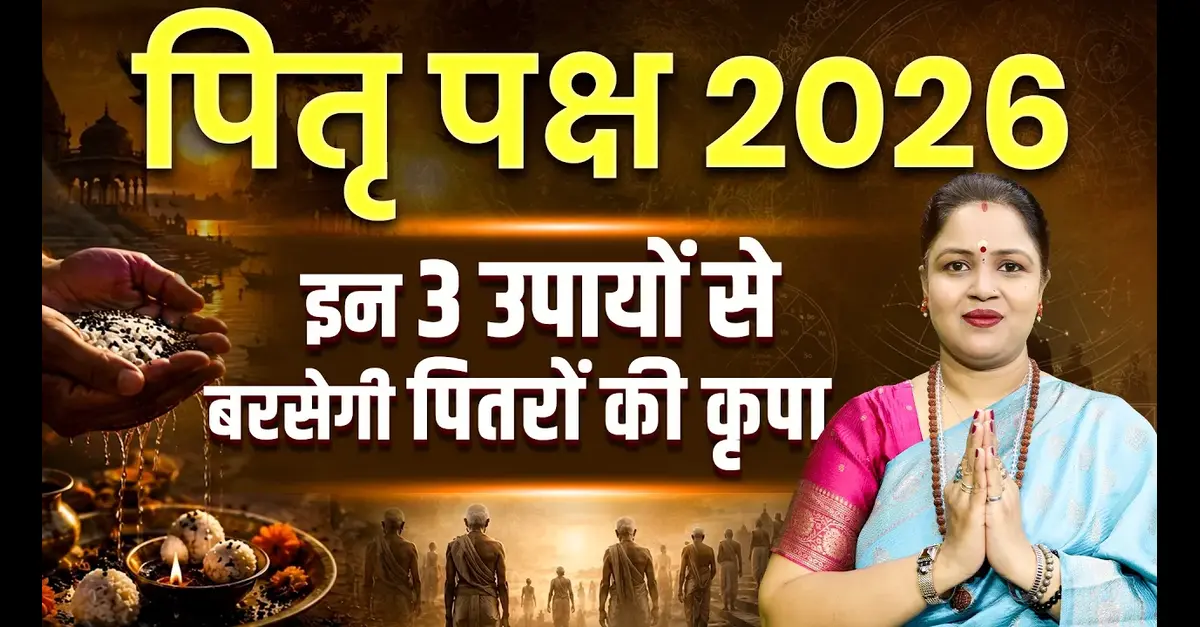
Pitru Paksha, also known as Shradh Paksha, is a sacred period in the Hindu calendar dedicated to remembering and honouring departed ancestors. During these days, families follow traditional practices such as Shradh, Tarpan, prayers, food offerings, and charity to express gratitude and respect towards their forefathers.
In Hindu tradition, people perform ancestral rituals with Shraddha (faith) and sincerity as part of their responsibilities towards their ancestors.
Let us explore the complete significance and essential details of Pitru Paksha 2026
Pitru Paksha 2026: Date and Duration
In 2026, Pitru Paksha will begin on 26 September and end on 10 October 2026. The period will conclude with Sarva Pitru Amavasya, which holds special significance for ancestral prayers and offerings.
Traditionally, families perform Shradh according to the lunar Tithi associated with the death of an ancestor. Therefore, families should identify the appropriate Tithi before performing the ceremony instead of relying only on the regular calendar date.
Pitru Paksha 2026: All Shradha Tithis and Date
| Date | Shradh Tithi |
|---|---|
| 26 Sept. 2026 | Pratipada Shradh |
| 27 Sept. 2026 | Dwitiya Shradh |
| 28 Sept. 2026 | Tritiya Shradh |
| 29 Sept. 2026 | Chaturthi Shradh |
| 30 Sept. 2026 | Panchami Shradh |
| 1 October 2026 | Shashthi Shradh |
| 2 October 2026 | Saptami Shradh |
| 3 October 2026 | Ashtami Shradh |
| 4 October 2026 | Navami Shradh |
| 5 October 2026 | Dashami Shradh |
| 6 October 2026 | Ekadashi Shradh |
| 7 October 2026 | Dwadashi Shradh |
| 8 October 2026 | Trayodashi Shradh |
| 9 October 2026 | Chaturdashi Shradh |
| 10 October 2026 | Sarva Pitru Amavasya |
Note:- Tithi timings may vary depending on the location. Therefore, check your local Panchang for the exact Shradh Muhurat. Traditionally, families perform Shradh during the Aparahna period, which falls in the afternoon.
Why Is Pitru Paksha Important?
During Pitru Paksha, families remember their departed loved ones through prayers, Tarpan, food offerings, and charitable activities.
The tradition of honouring ancestors holds an important place in Hindu culture. Every generation receives knowledge, values, traditions, and guidance from those who came before them. Therefore, Pitru Paksha provides a dedicated time to acknowledge this connection and remember the contribution of ancestors to the family.
Moreover, many families associate this period with charity and service. They may offer food to people in need, feed animals, or donate useful items. Through these acts, families express compassion while remembering their ancestors.
Shradh & Sarva Pitru Amavasya: Why These Rituals Matter?
Shradh is a traditional Hindu practice through which families remember and honour their departed ancestors with faith and gratitude. During Pitru Paksha, families may perform Tarpan, offer food, and recite prayers according to their customs.
Sarva Pitru Amavasya, observed on 10 October 2026, marks the end of Pitru Paksha. This day holds particular significance for ancestors whose exact death Tithi is unknown. Families can also use this occasion to offer collective prayers and remember their departed family members.
How to Perform Shradh at Home?
Shradh Vidhi can differ between families and regions. Therefore, families should give priority to their established traditions. However, a general home-based observance may include the following steps:
1. Clean the Ritual Space
First, choose a clean and peaceful area for the ceremony. Clean the space properly and maintain a calm and respectful atmosphere throughout the ritual.
2. Take a Bath and Wear Clean Clothes
Before starting the ceremony, the person performing Shradh should take a bath and wear clean clothes. Families can follow any additional practices prescribed by their traditions.
3. Keep the Required Samagri Ready
Next, arrange the items required for the ritual. Depending on family customs, these may include water, black sesame seeds, rice, Kusha grass, flowers, a diya, and ingredients for preparing the food offering.
4. Take the Sankalp
Begin the ceremony by taking a Sankalp while remembering the ancestor for whom you are performing the Shradh. The Sankalp expresses your intention to complete the ritual with respect and devotion.
5. Perform Tarpan
Tarpan forms an important part of traditional ancestral worship. During this ritual, families offer water while remembering their departed ancestors. They may also use black sesame seeds according to their family tradition.
6. Prepare the Food Offering
Prepare a simple Sattvic meal as an offering. Depending on family customs, the meal may include rice, dal, vegetables, roti, kheer, fruits, and other traditional dishes.
7. Conclude the Ritual With Prayer
Finally, complete the ceremony with prayers for the peace of the departed ancestors and the welfare and prosperity of the family.
What Can You Do During Pitru Paksha?
You can observe Pitru Paksha through simple practices that focus on remembrance, devotion, and kindness. During this period, you may:
- Remember departed family members through prayer.
- Perform Tarpan according to your family tradition.
- Observe Shradh on the appropriate Tithi.
- Offer food to cows, birds, or other animals.
- Keep your home peaceful and clean.
- Donate food or useful items to people in need.
Above all, perform these practices with sincerity and respect. Traditionally, families consider ancestral rituals more meaningful when they perform them with genuine devotion rather than treating them as a mere formality.
What to Avoid During Pitru Paksha?
Pitru Paksha customs vary across families and regions. As a result, one family’s practices may differ from another’s. Therefore, respect your family traditions and follow the customs that your household traditionally observes.
During this period, many people choose to maintain a simple lifestyle. They generally avoid unnecessary celebrations, conflicts, disrespectful behaviour, and careless performance of religious rituals.
If you feel unsure about the correct Tithi, Shradh procedure, or Muhurat, consult a knowledgeable priest. A priest can help you follow the appropriate family or regional tradition.
Pitru Paksha and Pitru Dosh: Know the Key Difference
Although people often discuss Pitru Paksha and Pitru Dosh together, the two concepts differ.
Pitru Paksha refers to a specific period dedicated to remembering ancestors and performing Shradh-related rituals. On the other hand, Pitru Dosh refers to an astrological concept that practitioners examine through specific planetary combinations in a person’s birth chart.
Shradh and Tarpan serve as traditional ways to honour ancestors and fulfil ancestral responsibilities. However, people should not consider these practices a guaranteed solution to every difficulty in life.
If you suspect Pitru Dosh in a Kundali, analyse the complete birth chart to understand the relevant planetary combinations and identify traditional remedies that may be appropriate.
To get complete information about Pitru Paksha 2026, watch the full video in Hindi.
Conclusion
Pitru Paksha 2026, observed from 26 September to 10 October, gives families a meaningful opportunity to remember their ancestors and express gratitude through Shradh, Tarpan, prayers, charity, and service.
More importantly, Pitru Paksha goes beyond rituals. It encourages people to remember their family heritage, appreciate the contributions of previous generations, and practise compassion towards others.
Families may perform Shradh at home according to their customs or seek guidance from a knowledgeable priest. Either way, they should approach the observance with sincerity and devotion. By remembering our ancestors and carrying forward the positive values they passed down, we can keep their legacy meaningful in our lives.
For your Kundali or any astrology-related guidance, you can contact Astro Sarathi.
Astro Sarathi
Mobile No.: 91-9667557994
WhatsApp: +91-9858598765
We take pride in providing our valued clients with the best spiritual solutions and an excellent service experience.
Our services include:
ऑनलाइन पूजा (Online Puja)
यंत्र एवं कवच (Yantras & Kavach)
कुंडली विश्लेषण (Kundali Vishleshan)
वास्तु शास्त्र परामर्श (Vastu Shastra Consultations)
रत्न (Gemstones)
रुद्राक्ष (Rudraksha)